Labor Day was never supposed to be about items on sale, weekend trips, or the last cookout of summer. (Or when to stop wearing white.)
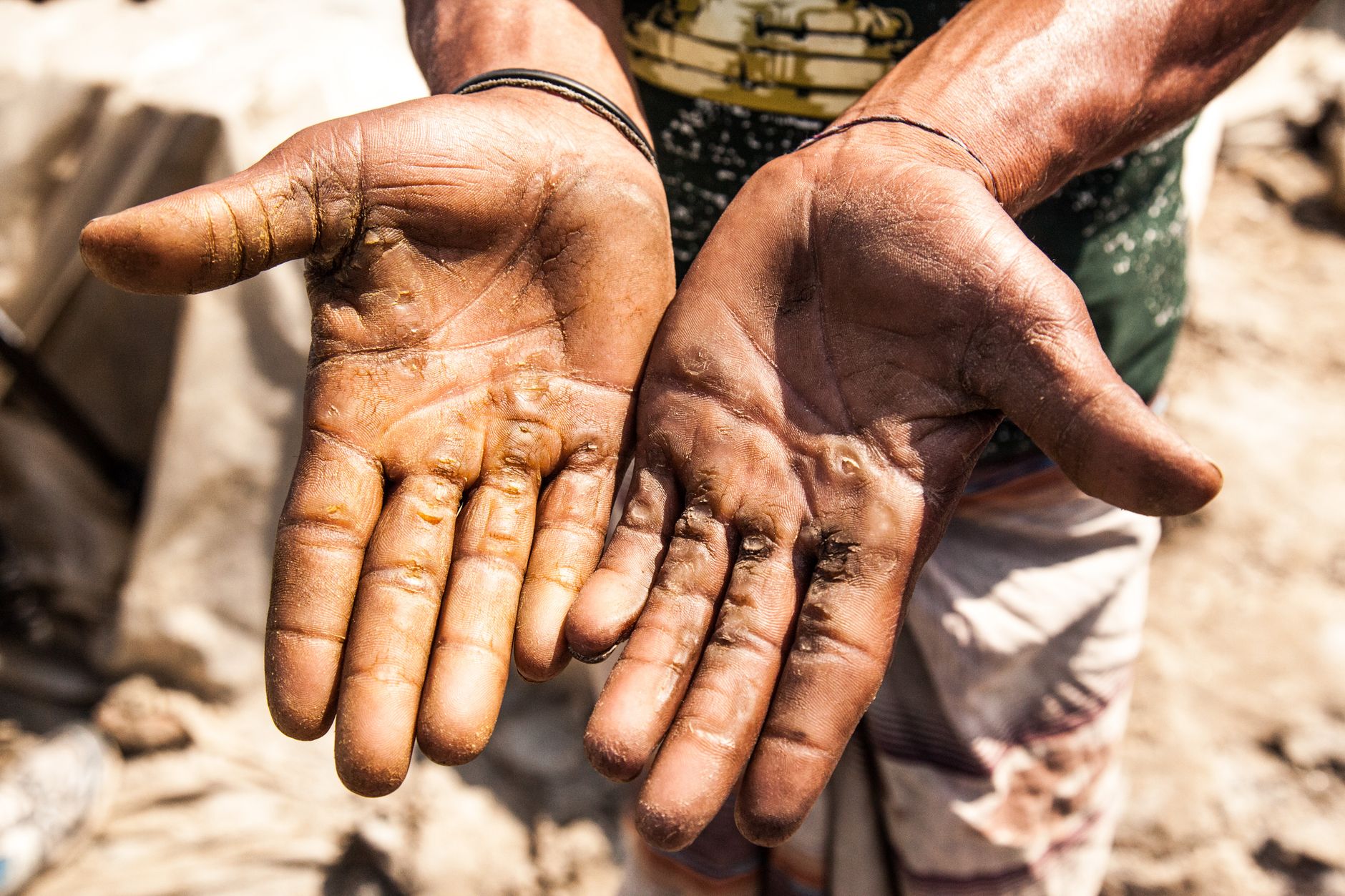
It was – and remains – about people: the people whose hands, backs, minds, and hearts keep this country moving.
It honors generations of workers who laid the roads beneath our feet, harvested the food on our tables, kept the factory lines moving, taught our children, cared for our sick, delivered what we needed, prepared and served our meals, cleaned the places where we lived and worked, and performed the thousands of essential jobs that were rarely noticed – until no one was there to do them.
And many of those workers were children.
Many children worked instead of going to school. By 1900, more than one in five American children was part of the workforce – approximately 1.75 million children between the ages of 10 and 15. Some were even younger. Alongside adults, they spent long days in the textile mills, coal mines, factories, fields, and city streets, often doing dangerous work for very little pay.
Their small hands and bodies were not protected, they were simply considered useful – and cheap.
Children and adults alike worked from before sunrise until long after dark. They worked in mines that collapsed, factories that burned, fields that broke their bodies, and workplaces where an injury could cost them both their livelihood and their future.
They did the work that built America – but they did not always share in its prosperity.
Workers organized, marched, and risked their jobs – and sometimes their lives – to demand something better. Not just for themselves but for everyone. Their efforts helped bring about safer workplaces, limits on child labor, the eight-hour workday, weekends, overtime pay, and the belief that honest work deserved honest pay.
These protections were not acts of generosity from employers. Workers fought for them. Change took decades of organizing, investigation, public outrage, and determined reformers refusing to accept that this was simply the way things had to be.
And while much has improved, many workers are still struggling for safe conditions, fair wages, affordable healthcare, and enough time away from work to actually live the lives they are working so hard to support.
That is the real meaning of Labor Day: honoring the people who do the work, remembering those who fought to make work more humane, and recognizing that the struggle for dignity in the workplace is not over.
So enjoy the cookout. Sit by the lake. Wear your white shoes. Take the day off if you are lucky enough to have it.
But take a moment to remember: that day off was not simply given to us.
Generations of workers fought for it – and generations will continue the fight.
-Pattie


Comments are open. No membership. No secret password. Just opinions and questionable life experiences.